The legend of the Lost Valley
We didn't choose this land; we were called to steward its history. Between Perrin and Jacksboro, Lost Valley Beef is the modern continuation of a cattle legacy that began before the maps were even finished.
The valley the maps forgot
In the mid-1800s, early surveyors missed a 20-square-mile basin northwest of Jacksboro. Surrounded by a protective rim of rugged hills, this "Lost Valley" stayed a hidden sanctuary for buffalo and, eventually, for some of the finest cattle in the West. It was so well hidden it was literally lost from the maps — a secret the land kept for itself.
A foundation of grit
This isn't just a ranch. It is the cradle of the Texas cattle industry. This valley was the home of James C. Loving, founder of the Texas and Southwestern Cattle Raisers Association and son of the legendary Oliver Loving. It was on these same trails that the first cattle drives were blazed.
In 1874 the valley tested the resolve of the Texas Rangers' Frontier Battalion in a desperate engagement known as the Battle of Lost Valley. Under the watchful eye of Spy Knob — the sentinel hill that still stands over our pastures today — those men fought for the future of the frontier.
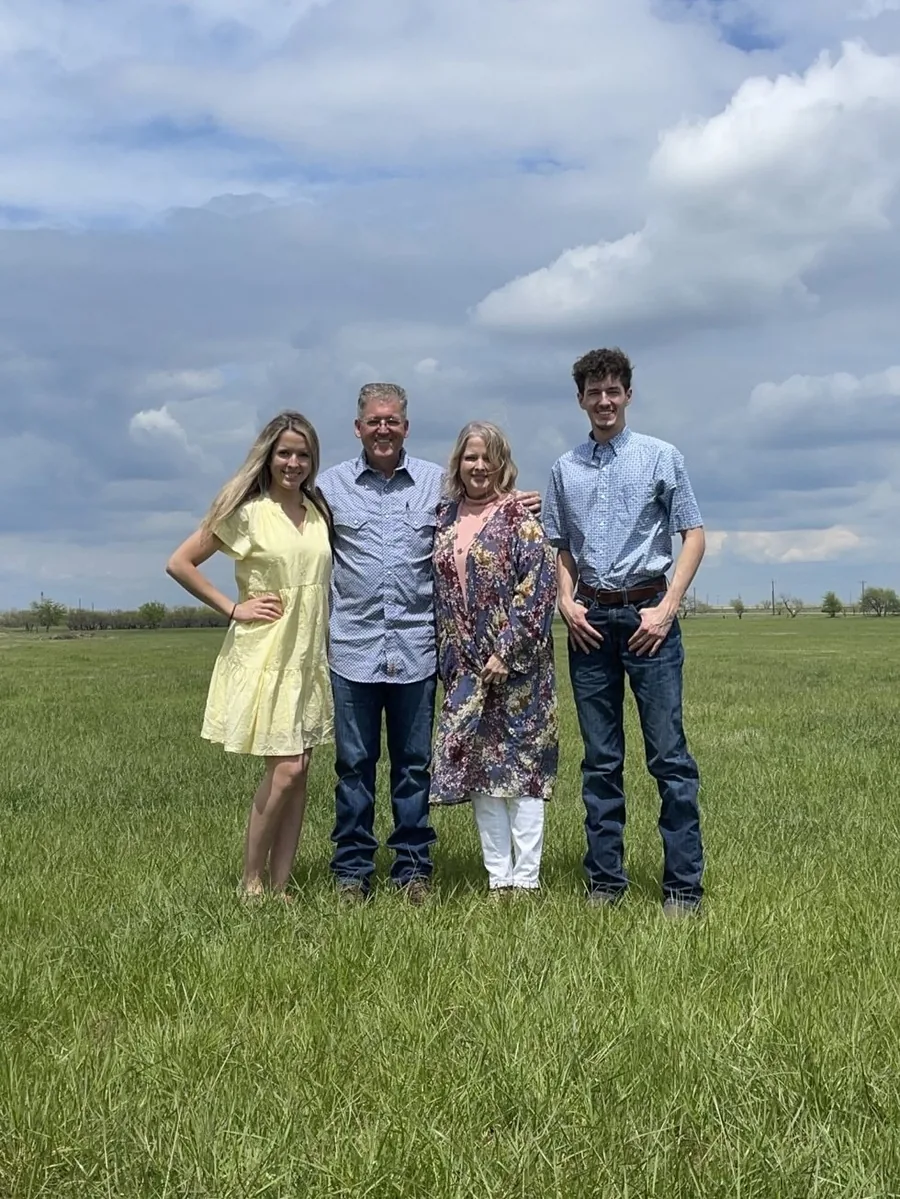
Meet the Rankin family
We eat exactly what we sell
"At Lost Valley Beef, you aren't just buying meat; you're supporting a local Texas business dedicated to food sovereignty and historical preservation. We eat exactly what we sell, and we are honored to share the fruits of this land with your family."
That is not marketing language. The beef in our own freezer comes off the same animals, cut at the same butcher, in the same boxes you take home. When you call, you are talking to the family that raised the animal — not a call center, and not a broker who bought it at the sale barn last week.
How we raise them
Our cattle are born, raised and finished here in Jack County. They spend their lives on grass in the valley, and are grain-finished in the final stretch, which is what builds the marbling that makes a ribeye eat the way a Texan expects a ribeye to eat. We are straight about that, because a lot of ranches use "grass-fed" to mean things it doesn't mean. Here's the honest difference.
Where they're processed
Our beef is processed at American Butchery in Mineral Wells. You fill out the cut sheet, so the steaks, roasts and ground come back the way your family actually cooks. If you've never filled one out, we'll walk you through it — or just call and we'll do it together on the phone.
How to get some
We sell whole and half beef by the animal, with ranch pickup in Jack County and delivery to the towns around us. Availability moves with the seasons, so the fastest answer is always a phone call: (214) 202-1855.
Talk to the ranch
Come see where your beef comes from
Call the ranch. We will tell you what is available, what it costs, and you are welcome to ask every question you have — first-time buyers are most of who we talk to.
(214) 202-1855Monday–Thursday, 10am–2pm · Call or text